
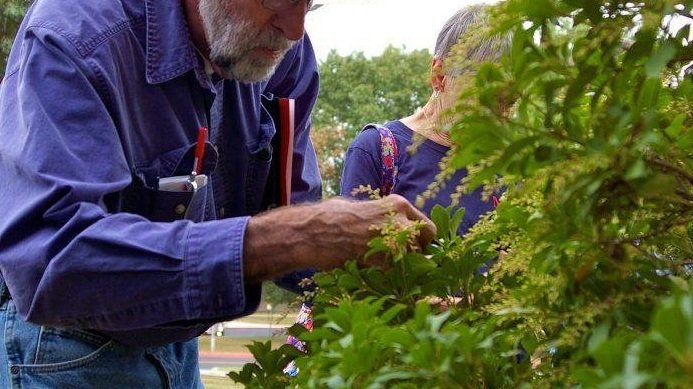
What plants will thrive at my home?
Maryland is full of plants and trees that thrive in our environment, lets look at what those are.
Trees can be divided into two main categories: those that lose their leaves and those that keep them year round. Trees that lose their leaves each year are known as deciduous trees. Trees that keep their leaves year round are known as evergreens. Many trees that produce cones (conifers) are evergreens while many flowering plants are deciduous.
Trees
-
Because evergreens keep their foliage or needles year round, they are a great addition to your Wild backyard. Evergreens provide year round cover in addition to winter shelter and nesting sites. Evergreens also provide sap, cones, seeds, needles, twigs and bud throughout the year, creating a continuous food source. The following list contains several evergreens which are great for wildlife. Hyperlinks are provided for species with additional fact sheets.
American Holly (ilex opaca)
American hollies grow from 15-50 feet tall and produce red, fleshy berries that are available throughout the winter. Birds are the principal consumers of American holly fruit, although deer, squirrels and other small animals eat them. At least 18 species of birds, including songbirds, Mourning Doves, wild turkeys and Northern Bobwhite Quails, are known to eat the fruit.
Arborvitae (thuja occidentalis)
Arborvitae, also known as Northern white cedars are tall, cylindrical trees. Their dense foliage provides excellent cover year round for wildlife. Species such as songbirds, waterfowl and small mammals all benefit from Arborvitae. This tree grows best in wet, calcareous (calcium-rich) soils.
Eastern Red Cedar (Juniperus virginiana)
Eastern red cedars can grow in any region of Maryland and are found in dry-moist soils. This tree has scale-like leaves and produces bluish-green berries from July-March. Many birds and small mammals eat the berrylike cones of eastern red cedar, especially in winter. Wildlife species that eat eastern red cedar fruits include Cedar Waxwings, Bobwhite Quail, Ruffed Grouse, Ring-necked Pheasant, wild turkeys, rabbits, foxes, raccoons, skunks, opossums and coyotes.
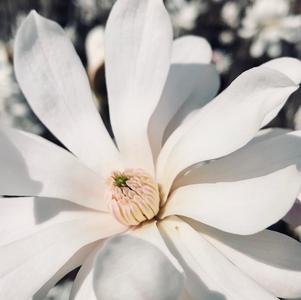
Sweetbay Magnolia (Magnolia virginiana)
Sweetbay vegetation is used by a variety of wildlife species. Squirrels, other small mammals, song birds wild turkeys and Bobwhite Quail feed on sweetbay seeds. Deer browse sweetbay leaves and twigs throughout the year. Sweetbay leaves are also used in nest construction by several bird species such as Eastern Kingbirds, Northern Mockingbirds, American Robins, Wood Thrushes and Red-eyed Vireos.
Pines (Pinus spp.)
Pine trees are fast growing trees that provide tremendous wildlife benefits. Songbirds and small mammals benefit the most from pine trees. Pine cones are a great food source year round.
-
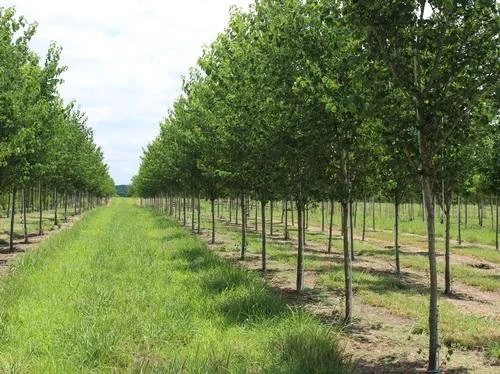
Although deciduous trees lose their leaves in the fall and winter, they still provide cover and food important for wildlife. Leaf litter from deciduous trees also provides food and cover for many invertebrate species. Maryland has a greater diversity of deciduous trees, and many deciduous trees produce flowers and fruit beneficial for wildlife. The following list contains deciduous trees that can enhance your backyard habitat. Hyperlinks are provided for species with additional fact sheets.
American Beech (Fagus grandifolia)
American beech trees are one native deciduous tree which can tolerate shade. Planting this tree in a shady backyard will provide nuts for songbirds and squirrels, sap for Yellow-bellied Sapsuckers and buds for finches.
Black Cherry (Prunus serotina)
The black cherry can grow to 50 or 60 feet tall. Many birds and small mammals eat black cherries. It is the preferred fruit of birds like American Robins and Northern Mockingbirds. Black cherry sap is a favorite of the Yellow-bellied Sapsucker, a type of woodpecker. The Tiger Swallowtail also uses Black Cherry as a larval host plant.
Hickory (Carya sp.)
The most common hickory species is the bitternut hickory. Songbirds such as grosbeaks, some woodpeckers, and other animals like fox, squirrels and chipmunks eat hickory nuts. Shagbark hickory, which has shaggy, plated bark also provides cover for roosting bats.
Maple (Acer sp.)
Maples also have winged seeds which are eaten by cardinals, evening grosbeaks, bobwhite quail, and other animals. Grosbeaks and American Goldfinches use the leaves for nesting material and also use the branches for supporting their nests. Maple sap is eaten by squirrels and songbirds and the sugar maple, found in western and central Maryland, provides sap for maple syrup.
Oaks (Quercus sp.)
There are five types of oaks native to Maryland: the black, white, scarlet, red and pin oaks. Many songbirds, ducks, and other animals eat the acorns. Squirrels are famous for hiding acorns to get ready for the long winter. Deer eat oak leaves and twigs. Oaks provide branches for bird nests and hollows for woodpeckers, squirrels and other animals to raise their young in wooded protection. The leaves and branches provide shade and protection from the weather.
Sassafras (Sassafras albid um)
The sassafras tree is common along fencerows, roadsides and abandoned fields. It is not often used by birds for nesting but its blue fruits are a favorite of Gray Catbirds, American Robins and Eastern Bluebirds. In the fall, sassafras trees are in beautiful color with orange leaves, blue fruits and green stems. The Spicebush Swallowtail also uses Sassafras as a larval host plant.
Tulip Poplar (Liriodendron tulipifera)
The tulip poplar is a fast-growing, tall North American hardwood tree that can reach a height of over 150 feet! Hummingbirds enjoy its nectar, while Yellow-bellied Sapsuckers enjoy its sap. Tulip poplars produce seeds, which are favorites of Northern Cardinals. Hollow spaces inside this tree provide homes for squirrels and raccoons, among other animals.
White Ash (Fraxinus americana)
The white ash grows in moist soils and can grow from 50-100 feet. It is the most common of the ash species, while the green ash (Fraxinus pennsylvanica) is the most widespread. You will know the ash by its winged seeds which are consumed by many bird species. The seeds are favorites of Evening Grosbeaks and Purple Finches and are also eaten by Northern Cardinals, Northern Bobwhite Quail and Wood Ducks.
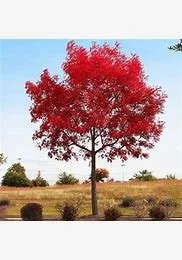
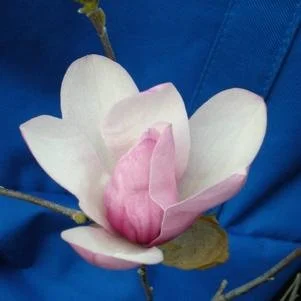
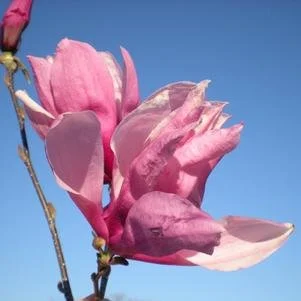
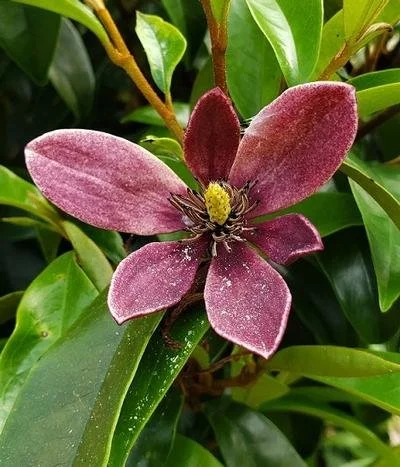
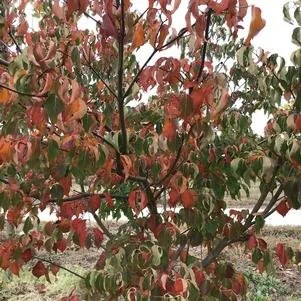
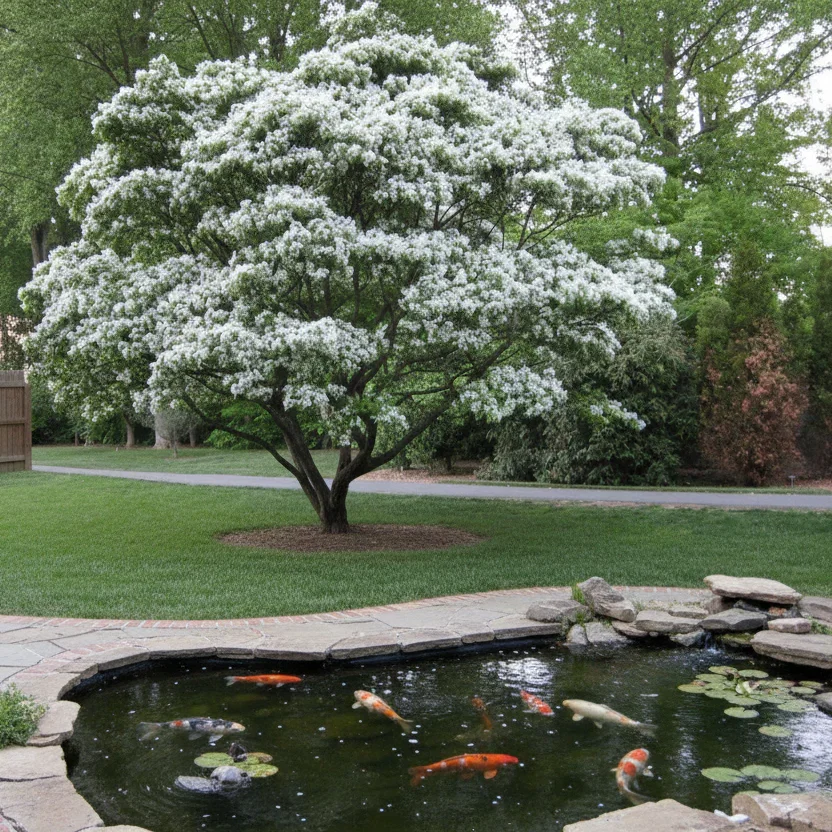
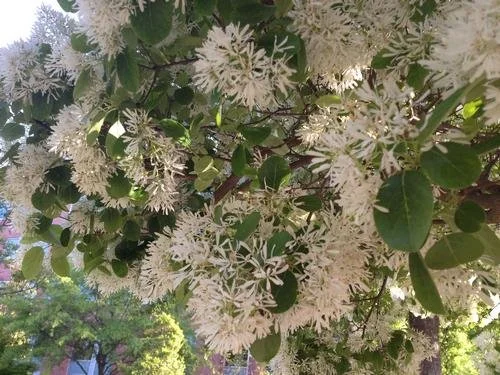
Shrubs can diversify wildlife habitat planting schemes and are easy to incorporate on any property. To visualize how shrub planting increases habitat diversity, think of a forest.
Typically, forests include (1) tall trees (canopy), (2) smaller trees and shrubs (sub-canopy) and (3) herbaceous plants and ground covers (understory). Unless forested tracts are already present, most properties have only trees and ground covers, often lawns, with little in between. Planting shrubs then becomes a way to attract those wildlife species that need this plant layer to satisfy their habitat needs.
Shrubs
-
Shrubs can serve as habitat in many ways. Flowering shrubs can produce nectar to feed bees, butterflies and hummingbirds. Berry-producing can shrubs feed songbirds, upland game birds and many mammals including deer, squirrel, fox and chipmunks. Wild animals use leaves, twigs and buds of the plant itself for food. Shrubs can also provide shelter from predators or extreme weather, or to nest and raise young, especially when massed. Evergreen, thorny or dense-branching shrubs usually offer the best shelter.
When selecting shrubs, it is important to keep in mind the flowering and fruiting nature of the species. Try to incorporate shrubs that produce berries at different times of the year so that a food supply is always present for berry-eating wildlife. Some shrubs are dioecious, meaning that male and female flowers are born on separate plants. So, if your goal for a dioecious shrub is to have it produce berries, then it is important to plant both a male and female shrub for pollination.
-
Landscaping uses for shrubs are as varied as the choice of plants. Shrubs may be planted around the foundation of the house or as borders that serve as backdrops for perennial and annual plants. On large tracts, shrubs can be planted along cropland and forest edges or incorporated into hedgerows of trees and shrubs. Hedgerows planted between cropland provide connectors or wildlife travel lanes between larger blocks of contiguous habitat (i.e. forest, fallow fields or wetland habitats). Linking these larger blocks is increasingly important as suitable wildlife habitat becomes fragmented by development. Incorporating evergreen and thicket-forming shrubs in hedgerows ensures that shelter components of habitat are met.
-
Before purchasing a shrub or two, consider several criteria before making a purchase. First, determine the shrub's purpose: Do you want the shrub to provide food, cover or both? Second, choose plants that are compatible with the site. Be sure to research light and soil conditions required for your shrub. Third, consider maintenance needs of the desired species. Shrubs planted near the house can be watered easily during dry weather but watering may not be practical in large scale plantings on farms. Pruning can also be done easily in backyard situations but is not practical in large scale plantings. As a general rule, only light pruning is recommended for shrub wildlife plantings because there is a danger of pruning away future food supplies if done at the wrong time of year. Pruning also reduces the plants usefulness as wildlife shelter; backyard wildlife shrubs should be allowed to attain a natural form. Some vigorously-growing shrubs respond well by being cut back to six inches in the fall and will grow even bushier than before. Local nursery or garden center personnel can advise you on what shrubs to select depending on the intended need.

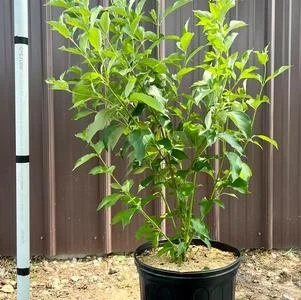
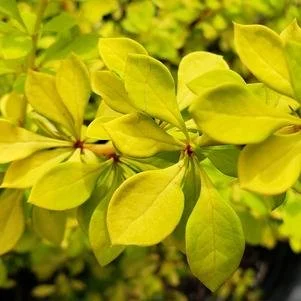
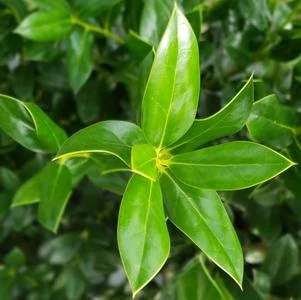
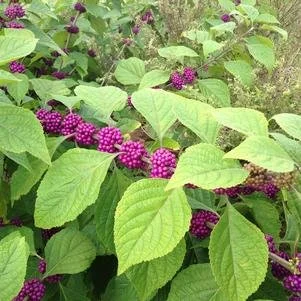
The American Beautyberry is a stunning addition to any landscape, offering vibrant purple berries that illuminate your garden while inviting local wildlife to visit and thrive.
Vibrant purple berries attract birds and wildlife, enhancing garden biodiversity.
Easy to grow and maintain, ideal for both novice and experienced gardeners.
Adaptable to various soil types and provides excellent ground cover.
Transform your garden with the enchanting allure of the American Beautyberry, creating a sanctuary for wildlife and a peaceful escape just outside your door.
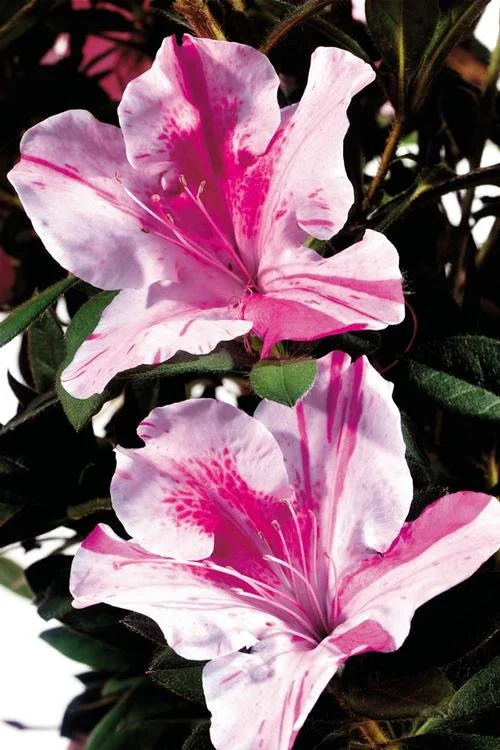

Salvia n. 'Rose Marvel' No. 2 is a striking perennial known for its vibrant pink blooms that attract pollinators and add a splash of color to any garden. This cultivar features sturdy, upright stems topped with rich green foliage, providing an attractive backdrop to the eye-catching flowers. Blooming from late spring to early fall, 'Rose Marvel' showcases its resilience in various soil types while thriving in full sun to partial shade conditions. Its low maintenance requirements make it an ideal choice for both novice and experienced gardeners looking to enhance their landscapes with easy-to-care-for plants that bring beauty and biodiversity.

Geum Tempo™ Orange No. 1 is a striking perennial known for its vibrant, orange blooms that bring a burst of color to any garden. This resilient cultivar features lush, green foliage that complements its eye-catching flowers, creating a stunning display from spring to early summer. Ideal for borders, containers, or as a standout focal point, Geum Tempo™ Orange No. 1 thrives in well-drained soil and prefers full sun to partial shade. With a low-maintenance nature and robust growth habit, this showy beauty is perfect for gardeners looking to enhance their landscapes with bright, cheerful hues.

Geranium x. ‘Mary-Anne’ No. 1 is a stunning hybrid perennial known for its vibrant pink blooms and lush green foliage. This hardy plant thrives in various soil types and is well-suited to a variety of garden settings, including borders, containers, and rock gardens. With a moderate growth habit, reaches up to 18 inches in height, offering a long flowering season that attracts pollinators. Its resilience to drought and adaptability to different light conditions make it an excellent choice for both novice and experienced gardeners. Enhance your landscape with the cheerful presence. a delightful addition that brings color and charm to any space.

Geranium x 'Rozanne' is a stunning perennial, celebrated for its vibrant, violet-blue flowers that bloom from late spring through early fall. This hardy plant boasts a sprawling habit, making it an excellent choice for ground cover or container arrangements. known for its exceptional disease resistance and adaptability to various soil types, thriving in both sun and partial shade. With its long blooming season and lush green foliage, this geranium not only enhances garden aesthetics but also attracts pollinators, making it a valuable addition to any landscape. Enjoy the enduring beauty and watch your garden flourish.
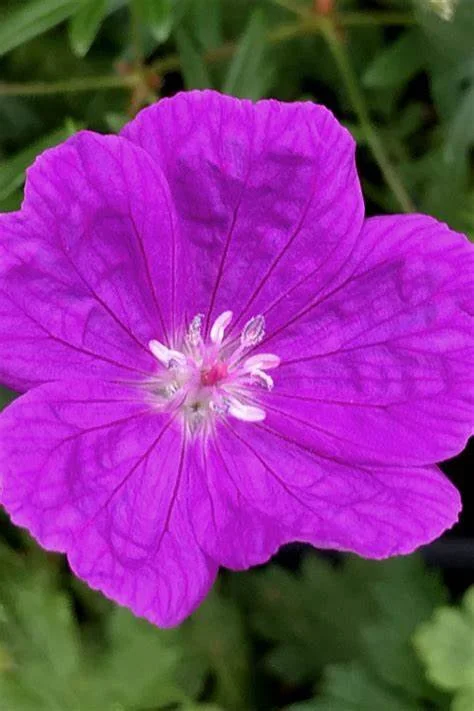
Introducing Geranium s. 'New Hampshire Purple' No. 1, a captivating perennial that adds vibrant color and charm to any garden space. its stunning purple blooms that emerge in late spring and continue into summer, this cultivar is known for its resilience and adaptability. The attractive rounded foliage provides a lush backdrop, enhancing the visual appeal of your landscape. Ideal for borders, rock gardens, or as ground cover, 'New Hampshire Purple' thrives in well-drained soil and full sun to partial shade. Easy to maintain and drought-tolerant once established, this geranium is a wonderful choice for gardeners seeking beauty with minimal effort. New Hampshire Purple' to your collection and enjoy its long-lasting color and versatility year after year.

Geranium s. 'Max Frei' No. 1 is a compact perennial that brings vibrant color and robust foliage to any garden. Known for its striking deep reddish-purple flowers that bloom throughout the summer, this hardy geranium establishes a charming presence in borders and rock gardens alike. With a neat growth habit and attractive, rounded leaves, also showcases excellent disease resistance, making it a low-maintenance choice for gardeners. Thriving in full sun to partial shade, this versatile plant is perfect for adding a splash of color to your landscape while attracting pollinators, such as bees and butterflies.

Geranium s. 'Album' No. 1 is a stunning perennial known for its elegant, pure white flowers that create a striking contrast against its lush green foliage. This hardy plant thrives in well-drained soil and prefers partial shade to full sun, making it versatile for various garden settings. Blooming from late spring to early summer, it attracts pollinators while providing a serene aesthetic that complements both formal and informal landscapes. Ideal for borders, rock gardens, or container planting, a resilient choice that will enhance your garden's beauty year after year.

Geranium maculatum 'Chatto' No. 1, commonly known as Spotted Geranium, is a resilient perennial that brings a vibrant splash of color to any garden setting. With its unique, marbled foliage and delicate violet flowers, this cultivar thrives in partial to full shade, making it an excellent choice for woodland gardens. known for its compact growth habit and ability to form strong ground cover, effectively suppressing weeds while enhancing the landscape. Adaptable to various soil types, this geranium is a low-maintenance choice that offers seasonal interest and natural beauty. Ideal for borders, mass plantings, or as a complement to other shade-loving plants, it elevates garden aesthetics effortlessly.

Geranium m. 'Ingwersen's Variety' No. 1 is a stunning perennial that captivates with its vibrant, magenta flowers and lush, green foliage. This hardy variety thrives in full sun to partial shade, making it an excellent choice for both sunny borders and shaded garden spaces. Known for its resilience, boasts a long blooming period, providing color from late spring through early summer. The rounded, aromatic leaves are a delightful addition to any garden, and the plant attracts beneficial pollinators, enhancing the biodiversity of your landscape. Ideal for rock gardens, containers, or as ground cover, this geranium is a must-have for any horticultural enthusiast looking to enrich their outdoor space.

Geranium m. 'Bevan's Variety' No. 1
Bevan's Variety is a popular cultivar of the hardy geranium, known for its vibrant, magenta-hued flowers that create a stunning display throughout the blooming season. This perennial plant boasts a robust, bushy habit and is complemented by lush green foliage that offers an appealing contrast to its blossoms. Ideal for borders, rock gardens, or ground cover, thrives in a range of conditions and is adaptable to both sun and partial shade. Its low-maintenance nature makes it a favorite among gardeners seeking to add color and texture to their landscapes. a moderate growth rate and excellent drought resistance once established, this variety is perfect for enhancing any garden aesthetic.

Geranium 'Lancastriense' No. 1 is a resilient perennial that brings a vibrant touch to any garden. Known for its delicate, cup-shaped flowers in shades of appealing pink, it blooms profusely from late spring to early summer, attracting pollinators and enhancing the landscape. This cultivar features attractive foliage that develops a charming brownish hue in the fall, adding seasonal interest. Hardy and adaptable, it thrives in various soil types and conditions, making it a versatile choice for borders, rock gardens, or as ground cover. With its low maintenance requirements and striking appearance, a superb addition to any horticultural collection.

Geranium c. 'Karmina' No. 1 is a captivating perennial that brings vibrant color and lush foliage to any garden. Known for its striking pink flowers, blooms profusely throughout the spring and summer months, creating a stunning display that attracts pollinators. This variety features finely divided, aromatic leaves that provide an attractive backdrop to its blossoms and remain appealing even after flowering. Thriving in well-drained soil and full to partial sun, an ideal choice for borders, containers, and ground cover. Its resilience to drought and deer makes it a low-maintenance addition to a wide array of landscapes. Enjoy the beauty of Geranium c. 'Karmina' No. 1 as it enhances your garden with its charm and color season after season.

Geranium c. 'Biokovo' No. 1 is a stunning perennial that brings a burst of color and elegance to any garden. With its delicate, pale pink flowers and lush, green foliage, this variety excels in sunny to partially shaded locations. known for its ability to form a charming ground cover, attracting pollinators while providing a soft, fragrant carpet underfoot. Requiring minimal maintenance, this hardy geranium is perfect for both novice and experienced gardeners looking to add a touch of beauty to their landscapes. Ideal for borders, rock gardens, or containers, a versatile choice that thrives in various conditions.

Gaura Walberton's® 'Silver Fountain' No. 1 is a stunning perennial that brings an elegant touch to any landscape. With its graceful, arching stems and delicate white flowers that shimmer in the sunlight, this variety creates a captivating display from mid-summer to fall. The lush, silvery-green foliage provides a beautiful contrast, enhancing the overall visual appeal. Ideal for borders, containers, or as a low-maintenance ground cover, thrives in well-drained soils and is drought-tolerant once established. Its charming blooms also attract butterflies, making it a perfect choice for eco-conscious gardeners seeking to support local pollinators. Experience the beauty and resilience in your outdoor space.

Gaura l. 'So White' No. 1 is a stunning perennial that brings a refreshing elegance to any garden. Known for its airy, white flowers that gracefully dance on slender stems, this robust plant is a magnet for pollinators. With a height of 2 to 3 feet, it creates a beautiful display from summer into fall, thriving in well-drained soils and full sun. Its drought tolerance makes it an excellent choice for low-maintenance gardens, while its charming blooms add effortless beauty to borders, containers, and wildflower meadows. Enhance your landscape. an enduring favorite for gardeners seeking both grace and resilience.

Gaura l. 'Siskiyou Pink' No. 1 is a stunning perennial known for its delicate, butterfly-like blooms that grace gardens from late spring through early fall. its graceful, arching stems reaching up to 3 feet in height, this variety showcases soft pink flowers that attract pollinators and add a touch of whimsy to landscapes. Its lush green foliage serves as a perfect backdrop, remaining attractive even when not in bloom thrives in well-drained soils and full sun, making it a low-maintenance addition to borders or wildflower gardens. Gardeners will appreciate its drought tolerance and ability to bring a cheerful presence to any outdoor space.

Gaultheria procumbens No. 1, commonly known as creeping wintergreen, is a low-growing perennial that brings vibrant color and texture to any garden. This hardy groundcover features glossy evergreen leaves and produces small, white to pink bell-shaped flowers in late spring, which give way to bright red berries in the fall. Thriving in partial to full shade, it is an excellent choice for woodland gardens, rock gardens, and borders. Its aromatic foliage releases a faint wintergreen scent when crushed, adding a sensory element to garden landscapes. With its ability to easily adapt to various soil types, this resilient plant is a wonderful addition for those looking to enhance their outdoor spaces year-round.

Gaillardia x 'Arizona Sun' No. 1, commonly known as the blanket flower, showcases vibrant red and yellow blooms that create a stunning display from early summer to fall. This hardy perennial thrives in full sun and well-drained soil, making it an excellent choice for both garden beds and borders. Its drought tolerance and ability to attract pollinators add to its appeal, while the compact nature ensures it fits beautifully in smaller spaces. Perfect for gardeners seeking low maintenance yet striking color, this plant is a must-have for any landscape.

Hemerocallis 'Rosy Returns' is a stunning daylily that showcases vibrant, rosy-pink blooms with a delicate yellow throat. This perennial favorite is known for its remarkable reblooming ability, ensuring a continuous display of flowers from late spring through fall. Standing at an average height of 18 to 24 inches, it forms a lush, attractive clump that is perfect for borders, mass plantings, or as a focal point in any garden. Thriving in a variety of soil types and light conditions, 'Rosy Returns' is both drought-tolerant and low-maintenance, making it an ideal choice for gardeners of all skill levels. Bring a splash of color and charm to your landscape with this reliable and enchanting daylily.

Hemerocallis 'Purple de Oro' No. 1, commonly known as Daylily, showcases stunning, deep purple blooms that add a vibrant touch to any garden. Each flower features a striking yellow throat, creating a beautiful contrast that enhances its visual appeal. This robust perennial thrives in various soil conditions and performs wonderfully in full sun to partial shade. not only beloved for its elegant appearance but also for its resilience and low-maintenance nature, making it an ideal choice for gardeners of all experience levels. Add this captivating daylily to your landscape for enduring color and charm from late spring to early summer.

Hemerocallis 'Pardon Me' No. 1 is a captivating daylily known for its vibrant, rich red petals that effortlessly enliven any garden space. With a compact growth habit, it typically reaches a height of 18-24 inches, making it an excellent choice for both borders and containers. This perennial blooms repeatedly throughout the summer, offering a delightful display of color and charm. thrives in full sun and well-drained soil, showcasing its resilience and adaptability. Its fragrant flowers not only attract pollinators but also provide a stunning visual contrast against lush green foliage, adding layers of beauty to any landscape. Perfect for gardeners seeking low-maintenance, high-impact plants, sure to become a beloved staple in your perennial collection.

Hemerocallis 'Pandora's Box' No. 1 is a stunning daylily that captivates with its vibrant, multicolored blooms. This cultivar features fragrant, ruffled petals that transition from a rich, golden yellow at the center to a soft lavender around the edges, creating a striking visual appeal in any garden. The plant reaches a height of about 18 inches and produces an abundance of flowers throughout the summer, attracting pollinators and enhancing the beauty of landscape designs. Ideal for both seasoned gardeners and novices alike, a reliable choice for adding a touch of color and elegance to your outdoor space.

Hemerocallis 'Mary Todd' No. 1 is a stunning daylily variety known for its vibrant, rich colors and resilient blooms. This cultivar features large, captivating flowers in a warm shade of golden-yellow, accented with subtle, dark orange undertones. Each bloom opens in the morning to reveal its delicate, ruffled petals, creating a spectacular display that lasts throughout the summer months thrives in various garden environments, showing off its adaptability to different soil types and light conditions. This daylily is not only visually striking but also low maintenance, making it an excellent choice for both novice and seasoned gardeners looking to add a pop of color and charm to their landscape. Enjoy the beauty as it enriches your garden with elegance and vibrant energy.

Hemerocallis 'Lullaby Baby' No. 1 offers a charming display of delicate, pastel-pink blooms that exude a sense of gentle elegance. Each flower features a soft yellow throat, creating a stunning contrast that draws the eye. This daylily variety thrives in a range of conditions, making it a versatile addition to any garden. With a compact growth habit and a robust nature, perfect for borders or containers. Its long blooming season ensures a continuous burst of color, bringing a soothing presence to your landscape. A true delight for both seasoned and novice gardeners alike.

Hemerocallis 'Little Grapette' No. 1 is a delightful addition to any garden, featuring vibrant, grape-colored flowers that bloom throughout the summer months. This compact daylily reaches a height of 18 to 24 inches, making it perfect for borders or as a focal point in smaller spaces. With a reblooming nature, ensures a continuous display of color, attracting pollinators and enhancing the landscape with its fragrant petals. Its adaptability to various soil types and resistance to pests make it a low-maintenance choice for gardeners seeking seasonal beauty. Embrace the charm of Hemerocallis 'Little Grapette' and watch your garden flourish.

Hemerocallis 'Joan Senior' No. 1 is a stunning daylily that brings elegance and vibrancy to any garden setting. Known for its large, fragrant, white flowers with a subtle yellow throat, this perennial blooms profusely throughout the summer months. With a height of about 24 inches, creates an eye-catching display in borders or containers, attracting beneficial pollinators like bees and butterflies. This hardy variety is adaptable to various soil types and thrives in both full sun and partial shade. Perfect for gardeners looking to add a touch of grace and beauty, a must-have for any landscape.

Hemerocallis 'Hyperion' No. 1, often known as the Daylily, is a stunning perennial that adds vibrancy to any garden. Renowned for its large, fragrant yellow blossoms, this cultivar blooms profusely throughout the summer, creating a striking contrast against lush green foliage. thrives in well-drained soil and prefers full sun to partial shade, making it a versatile choice for various landscapes. With its resilience and low maintenance requirements, this Daylily is perfect for both novice and experienced gardeners looking to enhance their outdoor spaces with bold, cheerful blooms. Enjoy the long-lasting beauty as it attracts pollinators and brings a touch of sunshine to your garden.

Hemerocallis 'Happy Returns' is a delightful daylily known for its radiant yellow blooms that bring vibrancy to any garden. This perennial hybrid offers a generous display of trumpet-shaped flowers that bloom repeatedly from late spring through summer, creating a cheerful atmosphere. Standing at a modest height, perfect for borders, containers, or as a ground cover. Its hardy nature makes it an excellent choice for both novice and experienced gardeners, thriving in various soil types and tolerating drought once established. Enjoy a season filled with sunshine.

Hemerocallis 'Gail's Fragrant Treasure' No. 1 is a stunning daylily variety known for its delightful aroma and vibrant blooms. This perennial features large, golden-yellow flowers adorned with a subtle blush of peach at the edges, creating a striking visual appeal in any garden. Each flower blooms in early summer, providing a cheerful burst of color that attracts pollinators. With a robust growth habit and an ability to thrive in various soil types, perfect for borders, naturalistic gardens, or as a standout centerpiece. Enjoy its lovely fragrance and long-lasting blooms for a truly enriching garden experience.

Hemerocallis fulva No. 1, commonly known as the Orange Daylily, is a resilient and vibrant perennial that adds a burst of color to any garden. With its striking orange flowers that bloom throughout the summer, this daylily is not only easy to grow but also thrives in a variety of soil conditions. Its trumpet-shaped blooms open in the morning and close by night, providing a stunning display for daytime viewers. Ideal for borders, mass plantings, or as a ground cover, a charming choice for both novice and experienced gardeners alike. Enjoy its low-maintenance nature and ability to attract pollinators while enhancing the beauty of your landscape.
Perennials
In Maryland, native plants are those that have flourished in the region we now call the Chesapeake Bay (and across much of the Mid-Atlantic region) for countless centuries. The native species we encounter today - like those showcased at local native plant events - are the descendants of ancestral plants that thrived in Maryland's ecosystems long before European settlers arrived. Over time, these plants have developed remarkable adaptations to thrive in Maryland's unique environment, all while providing essential wildlife habitats.
Not only do Maryland native plants directly support local wildlife and ecosystems, but they are also fantastic additions to gardens and landscapes. Maryland native plants often grow quickly, possess natural resistance to drought, require minimal fertilization, and demand relatively little upkeep. Identifying the appropriate native plants for your specific region in Maryland can enhance the beauty and ecological significance of any landscaping endeavor.
-
Black-Eyed Susan (Rubeckia hirta)
Maryland State Flower!
Commonly found across much of eastern North America, blooming from early summer to late fall, this perennial brightens up gardens with its long-lasting and abundant blossoms.
Butterfly Weed (Asclepias tuberosa)
Unique as one of our only brilliant orange flowers. This plant typically blooms from early summer to fall, and grows up to 2-3 feet tall!
Critical host plant to endangered Monarch Butterflies -The Monarch Butterfly caterpillars feed exclusively on milkweeds.
Wild Bergamont (Monarda fistulosa)
(Also called Bee Balm) adds a burst of color and vitality to any pollinator garden. It blooms with vibrant lavender to purple or even pale pink flowers from mid-summer to early fall, attracting pllinators like bees, butterflies, and hummingbirds.
-
Eastern Columbine (Aquilegia canadensis)
Among Maryland native plants Eastern Columbine brings a special touch of elegance to any garden. Its unique red and yellow flowers bloom from late spring to early summer. Growing to a height of 1 to 3 feet, it boasts a graceful growth habit that is just as home in a pollinator garden as in a naturalized area.
Woodland Sunflower (Helianthus divaricatus)
Woodland Sunflower adds a splash of sunshine to partially shaded areas. Its cheerful yellow blooms emerge in late summer to early fall, brightening up woodland edges, garden borders, and natural landscapes. This plant typically reaches a height of 2 to 5 feet and is well-suited for areas with dappled sunlight or partial shade and rich soil.
Cardinal Flower (Lobelia cardinalis)
Cardinal Flower is a striking perennial known for its vibrant scarlet blooms which erupt from vertical stems girded with lance shaped green leaves. This stately accent plant stands out in areas with moist or wet soil, particularly along the edges of sunny ponds, streams, and wet meadows. Its eye-catching spikes of tubular flowers appear in mid to late summer, creating a mesmerizing display that attracts hummingbirds and butterflies.
-
White Wood Aster (Eurybia divaricata)
White Wood Aster is a delicate yet resilient native wildflower that graces woodlands, gardens, and natural habitats with its understated beauty. This perennial plant features dainty, daisy-like white flowers that bloom in late summer to early fall, providing a late-season burst of color when many other plants have finished flowering.
Wild Geranium (Geranium maculatum)
Wild Geranium features deeply lobed, palmate leaves and dainty pink to lavender-hued flowers, adding a charming aesthetic to woodland gardens and shaded borders. This plant blooms in late spring to early summer, and its rhizomatous growth habit creates spreading clumps that help stabilize soil and prevent erosion.
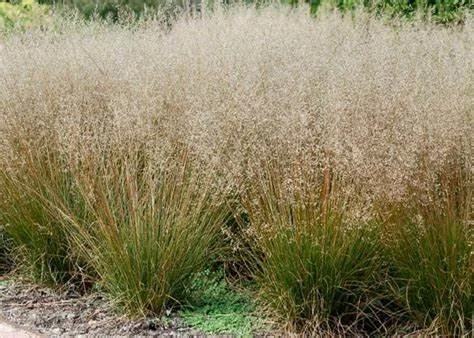
Sporobolus heterolepsis, commonly known as prairie dropseed, is a perennial grass native to North America. Renowned for its fine-textured foliage and elegant, arching habit, this grass typically reaches heights of 2 to 3 feet, creating a graceful presence in any landscape. Its lush green blades turn soft gold in the fall, adding seasonal interest to gardens and meadows. Prairie dropseed is drought-tolerant and thrives in sandy or loamy soils, making it an excellent choice for low-maintenance, eco-friendly gardening. Additionally, it attracts diverse wildlife, including birds and pollinators, contributing to a vibrant ecosystem. Ideal for prairie gardens, naturalized areas, and ornamental borders, a versatile addition that enhances both beauty and biodiversity.

Miscanthus 'Purpurascens' No. 2, commonly known as flame grass, is a striking perennial that adds vertical interest and a touch of warmth to the landscape. Known for its arching, narrow blades that transition from green to a radiant reddish-bronze in the fall, this cultivar thrives in USDA Hardiness Zones 5 to 9. Growing to a height of approximately 3 to 4 feet, it creates an eye-catching texture that pairs well with both contemporary and traditional garden designs. Preferring well-drained soil and full sun, Miscanthus 'Purpurascens' No. 2 is also drought-tolerant once established, making it a resilient choice for sustainable gardening. Its graceful plumes can be enjoyed during the winter months, providing habitat for wildlife and beauty to dormant gardens.

Calamagrostis brachytricha No. 2, commonly known as Korean feather reed grass, is a stunning perennial grass that adds elegance to any landscape. With its upright growth habit and fine-textured foliage, this variety features feathery flower spikes that emerge in late summer, displaying a soft, silvery plume that transforms the garden into a serene haven as it catches the light. Thriving in a variety of soils, it is tolerant of both drought and wet conditions, making it versatile for different garden settings. Ideal for borders, mass plantings, or as an architectural element, not only enhances ornamental designs but also attracts beneficial wildlife, adding both beauty and function to your outdoor space.

Calamagrostis acutiflora 'Overdam' No. 2 is a striking ornamental grass known for its graceful arching form and distinctive variegated foliage. This cultivar features green leaves edged with a creamy-white stripe, creating a visually stunning contrast that brightens any garden setting. Thriving in well-drained soils, 'Overdam' is tolerant of various conditions and offers resilient performance in both sunny and partially shaded areas. During the summer months, feathery flower spikes rise above the foliage, adding texture and movement to landscaped spaces. Ideal for borders, mass plantings, or as a specimen plant, Calamagrostis acutiflora 'Overdam' No. 2 is a perfect choice for those looking to enhance their outdoor aesthetic with an elegant touch.

Calamagrostis acutiflora 'Karl Foerster' is a prized grass known for its elegant, upright growth habit and striking feathery flower plumes. This perennial grass, reaching heights of 4 to 5 feet, is ideal for adding height and texture to garden borders or landscapes. Its attractive, slender green foliage transforms to a warm golden hue in the fall, providing seasonal interest. 'Karl Foerster' is also drought-tolerant and adaptable to various soil types, making it a low-maintenance choice for any garden setting. Whether used as a focal point or as part of a mixed planting, this grass brings a touch of grace and sophistication to outdoor spaces.

Sorghastrum nutans No. 1, commonly known as Indiangrass, is a perennial warm-season grass native to North America. Characterized by its tall stature, this grass can reach heights of up to 5 feet and features graceful, arching leaves that showcase vibrant golden-yellow hues in the fall. Indiangrass is esteemed for its durability and adaptability, thriving in a range of soil types and moisture conditions. It serves as an excellent choice for prairie restorations, erosion control, and as a forage crop for wildlife. With its striking appearance and ecological benefits, a valuable addition to any landscape or conservation project, providing beauty and sustainability.

Sesleria autumnalis No. 1, commonly known as autumn moor grass, is a perennial grass that brings a touch of elegance to any landscape. With its fine-textured, arching blades that transition from green to golden hues in the fall, this versatile grass adds visual interest throughout the seasons. Thriving in various soil types and tolerating drought conditions, it is ideal for low-maintenance gardens and naturalistic settings. Whether used as a ground cover or in mass plantings, offers a subtle yet striking appeal, enhancing both formal and informal landscapes. Its resilient nature and adaptability make it a favorite among gardeners looking to introduce beauty and sustainability into their outdoor spaces.

Carex o. Evercolor® Everest No. 1, commonly known as Evergreen Sedge, is a striking ornamental grass that brings a modern touch to any garden landscape. Its dense clumps of arching, variegated foliage showcase vibrant green and creamy white stripes, creating eye-catching contrast and texture. Ideal for shady areas, this hardy perennial thrives in a variety of soil types and requires minimal maintenance. With its versatile nature, perfect for border plantings, mass plantings, or as a focal point in containers. Elevate your garden’s aesthetic with this elegant and resilient grass that adapts seamlessly to any environment.

Carex m. 'Ice Dance' No. 1 is a stunning ornamental grass that features striking variegated foliage, characterized by narrow green blades edged with creamy white. This versatile perennial thrives in both sun and shade, making it an excellent choice for various garden settings, from borders to containers. known for its ability to maintain its elegant appearance throughout the seasons, providing continuous visual interest. With its dense clumps, this graceful sedge is also adept at preventing erosion and attracting beneficial wildlife, such as butterflies. Ideal for gardeners looking to add texture and sophistication, a must-have for any landscape design.
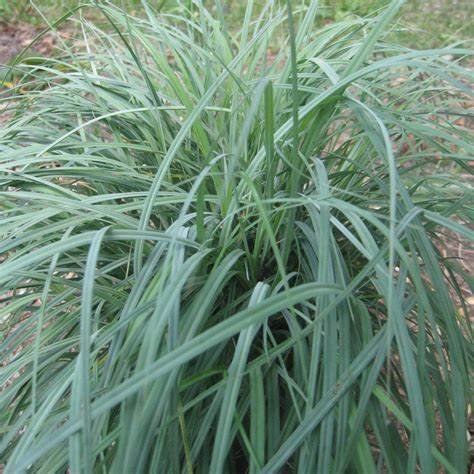
Introducing Carex glauca 'Blue Zinger' No. 1, a striking ornamental grass known for its unique blue-green foliage that adds both texture and color to any landscape. This hardy sedge boasts an elegant, tufted growth habit, reaching heights of 12-18 inches. Ideal for both sunny and partially shaded areas, perfect for mass plantings, borders, or as a striking accent in garden beds. Its tolerance for wet conditions makes it a great choice for rain gardens or near water features. With minimal maintenance and exceptional winter interest, enhances your garden's charm year-round.

Carex eburnea No. 1, commonly known as the Ivory Sedge, is a versatile perennial grass that adds texture and elegance to any garden setting. This native sedge features slender, arching leaves that exhibit a striking light green color, accented by silvery-white margins. Thriving in moist, shaded areas, it is ideal for woodland gardens, rain gardens, and along water features. With its low-maintenance nature and ability to attract pollinators, an exceptional choice for eco-friendly landscaping. Its dense clumps provide excellent ground cover, helping to minimize soil erosion while enhancing the natural beauty of any landscape.

Carex e. 'Bowles Golden' No. 1 is a stunning ornamental grass that adds a vibrant touch to any garden or landscape. Known for its bright golden-yellow foliage, this versatile plant thrives in various conditions, making it an excellent choice for borders, containers, or ground cover. Growing to a height of 18 to 24 inches, it provides texture and color contrast, especially when paired with darker plants. prefers partial to full shade and is tolerant of wet soils, making it a fantastic option for shaded areas or alongside ponds and streams. This low-maintenance plant is also deer resistant, ensuring your garden remains beautiful and undisturbed. Elevate your outdoor space with the striking appearance.

Carex divulsa No. 1, commonly known as European field sedge, is a versatile and hardy sedge native to Europe and parts of Asia. This perennial grass-like plant is characterized by its elegant arching foliage, reaching heights of 12 to 24 inches. Ideal for a variety of landscapes, it thrives in moist, well-drained soils and can adapt to both sunny and partially shaded environments. Its dense, clumping growth habit makes it an excellent choice for erosion control and as a ground cover. With its ability to integrate seamlessly into naturalistic gardens and its lovely green hues, brings both beauty and functionality to outdoor spaces.

Carex cherokeensis No. 1, commonly known as Cherokee sedge, is a compact, clumping perennial grass that thrives in a variety of garden settings. With its arching, narrow leaves that exhibit a vibrant green hue, this sedge adds a subtle elegance to any landscape. Ideal for partial to full shade, it is particularly well-suited for woodland gardens and shaded borders. This resilient plant prefers moist, well-drained soils but adapts well to various conditions, making it a versatile choice for gardeners. Its low-maintenance nature and ability to attract pollinators further enhance its appeal, offering both aesthetic and ecological benefits. ensures your garden remains lively and inviting throughout the seasons.

Carex buchananii 'Red Rooster' No. 1 is a striking addition to any garden or landscape. Known for its vibrant reddish-brown foliage, this ornamental sedge brings a unique warmth and texture to various settings. Growing in a clumping habit, it reaches heights of 18 to 24 inches, making it an excellent choice for borders or as a focal point among perennials. Thriving in well-drained soil and full sun to partial shade, low-maintenance and drought-tolerant, perfect for both novice and experienced gardeners. Its graceful form and attractive coloration create a stunning contrast, enhancing the beauty of any outdoor space throughout the seasons.

Carex amphibola No. 1, commonly known as the amphibious sedge, is a versatile and hardy perennial that thrives in a variety of environments. With its attractive arching foliage and fine texture, this sedge adds a touch of elegance to both wet and dry conditions. Ideal for planting around ponds, in rain gardens, or as part of a native landscape, supports local ecosystems while providing habitat for wildlife. Its low maintenance requirements and exceptional adaptability make it a favorite among gardeners seeking sustainable options. Enjoy the beauty and resilience of this remarkable plant in your outdoor spaces.

Calamagrostis x ‘Cheju-Do’ No. 1, commonly known as the Korean Reed Grass, is a stunning ornamental grass that offers both visual appeal and environmental benefits. This deciduous perennial features gracefully arching, narrow leaves that can reach heights of 3 to 4 feet. In late spring to early summer, it produces feathery flowers that create a soft, airy effect, adding texture and movement to any landscape. Renowned for its drought tolerance and adaptability to various soil and thrives in both sunny and partially shaded locations. With its striking appearance, it’s an excellent choice for borders, mass plantings, or as a focal point in garden designs. Perfect for attracting wildlife, it not only enhances your garden aesthetics but also supports local ecosystems.

Calamagrostis acutiflora 'Overdam' No. 1, commonly known as Overdam Reed Grass, is a stunning ornamental grass that brings elegance and beauty to any landscape. Known for its striking variegated foliage, this grass features green blades with creamy white margins that create a visually arresting contrast. Growing to a height of 2 to 3 feet, it provides a graceful presence in garden beds, borders, or as a standout focal point. Hardy and low maintenance, thrives in a variety of soil types and tolerates both moist and dry conditions, making it an excellent choice for gardeners in Southern Maryland. In late summer, its feathery flower plumes rise above the foliage, adding texture and interest that persists into the fall, attracting birds and other wildlife. Ideal for modern and traditional landscapes alike, Calamagrostis a. a versatile addition to your garden that will enhance your outdoor space with its aesthetic appeal and resilience.
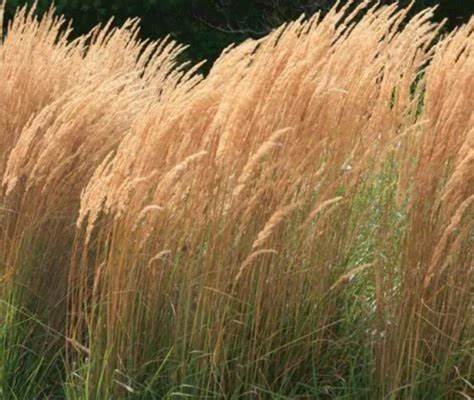
Calamagrostis acutiflora 'Karl Foerster', commonly known as Karl Foerster Feather Reed Grass, is a highly sought-after ornamental grass renowned for its elegant, upright growth habit and distinctive feathery flower plumes. Reaching heights of 3 to 5 feet, this perennial grass offers a striking vertical element to gardens, borders, and landscapes. Its lush green foliage transitions to a beautiful golden hue in the fall, providing seasonal interest. Ideal for planting in sunny to partially shaded areas, adaptable to a variety of soil types and attracts birds and beneficial pollinators. This hardy grass thrives in USDA zones 4-9 and is an excellent choice for low-maintenance gardens, offering resilience and beauty year-round.

Pennisetum orientale No. 1, commonly known as Oriental Fountain Grass, is a stunning addition to any garden or landscape. Known for its graceful arching form, this perennial grass features feathery flower spikes that create a captivating display from late summer through fall. Tolerating a variety of soil types and showcasing a resilient nature, thrives in full sun and is drought-tolerant once established. Ideal for borders, mass plantings, or as an accent, its lush green foliage turns to warm golden hues in autumn. This versatile grass attracts pollinators and provides ornamental interest year-round, making it a favorite among gardeners seeking beauty and low maintenance.

Pennisetum orientale 'Karley Rose' is a stunning ornamental grass that adds a touch of elegance to any garden setting. This cultivar features graceful arching leaves adorned with a subtle rose hue, providing a unique color variation throughout the growing season. Reaching a height of 2 to 3 feet, produces fluffy, feathery flower spikes that dance in the breeze, creating an eye-catching display from late summer to fall. It thrives in well-drained soils and prefers full sun, making it an ideal choice for borders, mass plantings, or as an accent in mixed gardens. With its ornamental value and low-maintenance requirements, a perfect addition to landscapes looking for year-round interest.

Pennisetum 'First Knight' is a stunning ornamental grass that adds elegance to any landscape. Known for its upright habit and dense, arching foliage, this cultivar features deep green blades that transform to shades of gold in the autumn. It produces striking flower spikes, reaching heights of up to 4 feet, which are adorned with soft, foxtail-like plumes that provide additional interest well into the winter months. Drought-tolerant and low-maintenance, thrives in full sun and adapts well to a variety of soil types, making it an excellent choice for borders, mass plantings, or as a focal point in garden designs. Enhance your outdoor space with this resilient and visually appealing grass that stands out year-round.

Pennisetum alopecuroides No. 1, commonly known as fountain grass, is a stunning perennial that brings a touch of elegance to any landscape. With its arching, feathery plumes that rise above graceful, green foliage, this ornamental grass is perfect for adding texture and movement to flowerbeds, borders, or naturalized areas. Thriving in full sun and adaptable to a variety of soil types, fountain grass is both drought-tolerant and low-maintenance. In the fall, its plumes transition to a soft beige, providing seasonal interest even as the growing season draws to a close. Ideal for gardeners seeking both beauty and resilience, makes a striking addition to Southern Maryland gardens.

Pennisetum alop. 'Little Bunny' is a charming ornamental grass that features delicate, airy plumes and a compact growth habit. Ideal for smaller gardens or container planting, this cultivar offers a lush green foliage that transitions beautifully to soft, feathery inflorescences in late summer. reaches a height of about 18 to 24 inches, making it a versatile addition to borders or as a focal point in landscape designs. Its resilience and tolerance to drought make it a low-maintenance choice for gardeners, alongside attracting beneficial wildlife such as birds and pollinators. Perfect for adding texture and movement to your garden, a delightful addition to any horticultural collection.

Pennisetum alop. 'Hameln' No. 1, commonly known as dwarf fountain grass, is a versatile and refined ornamental grass that enhances any landscape. Characterized by its compact growth habit, this cultivar reaches a height of about 2 to 3 feet, producing soft, arching foliage that displays a pleasing green hue, transitioning to a warm golden color in autumn. The fluffy, silvery panicles emerge in late summer, adding a whimsical touch and attracting pollinators, such as butterflies. Ideal for borders, containers, or mass plantings, offers year-round interest and resilience in various garden settings. It thrives in full sun to partial shade and is well-suited for USDA Zones 5-9, making it a cherished choice for both novice and experienced gardeners alike.

Pennisetum alopecuroides 'Cassian,' often referred to as Cassian fountain grass, is a stunning ornamental grass that brings both elegance and movement to your landscape. Characterized by its arching foliage and dense flower spikes, this cultivar features soft, elongated plumes that transition from green to a striking golden hue in the fall. thrives in well-drained soils and is well-suited for full sun, making it an excellent choice for borders, mass plantings, or as a focal point in garden designs. Its low-maintenance nature and drought tolerance make it an ideal addition for gardeners seeking beauty with minimal effort. Enjoy the graceful way as it enhances your outdoor space throughout the seasons.

Ophiopogon japonicus No. 1, commonly known as mondo grass, a versatile and resilient ground cover prized for its lush, dark green foliage. This hardy perennial thrives in various conditions, making it ideal for both shaded and partially sunny areas. With its dense, arching leaves that reach up to 12 inches in height, it creates a stunning, low-maintenance carpet that effectively suppresses weeds. perfect for borders, under trees, or as a decorative element in garden beds. Its subtle elegance and adaptability make it a popular choice for both residential and commercial landscapes.

Ophiopogon j. 'Nana' No. 1 is a compact, evergreen groundcover that thrives in partial to full shade. This charming plant features dense, arching blades of dark green foliage, making it an excellent choice for adding texture to shaded garden areas or as a border plant. Its low-growing habit, 'Nana' reaches heights of only about 6 inches, providing a neat, tidy appearance throughout the year. In late summer, delicate, small white flowers appear, adding a subtle touch of elegance. Ideal for softening hardscapes and filling in gaps between steppingstones, both versatile and low-maintenance, creating a lush backdrop for shade-loving plants.

Nasella tenuissima No. 1, commonly known as Mexican Feather Grass, is a delicate and graceful ornamental grass featuring fine, arching leaves that create a soft, wispy appearance. Ideal for adding texture and movement to your garden or landscape, this drought-tolerant perennial thrives in well-drained soils and full sun conditions. Its feathery flower spikes, which sway gently in the breeze, transition beautifully from green in the growing season to golden hues in the fall, providing year-round visual interest. Perfect for borders, rock gardens, or even as a striking focal point, a versatile choice for both residential and commercial landscapes.

Muhlenbergia capillaris No. 1, commonly known as Pink Muhly Grass, is a charming perennial grass celebrated for its striking, airy flower plumes that bloom in late summer to fall. This native grass features fine, arching leaves that create a lush green backdrop, transforming into a stunning display of pink as the flower heads emerge, catching the light with their ethereal beauty. Its drought-tolerant nature makes it ideal for low-maintenance landscapes, while its resilience to heat and varied soil types ensures adaptability in various settings. Perfect for borders, mass plantings, or as a focal point, brings a touch of elegance and movement to any garden.
Grasses
Many of the commonly used ornamental grasses are exotic — that is, coming from a country or region distant from where they are being used. While these are beautiful in their own right, they do not relate to a sense of place and some do exhibit invasive tendencies. Native species, especially those that are native to the region, fit in well with the local ecology and growing conditions.